

September 17 – October 6, 2026
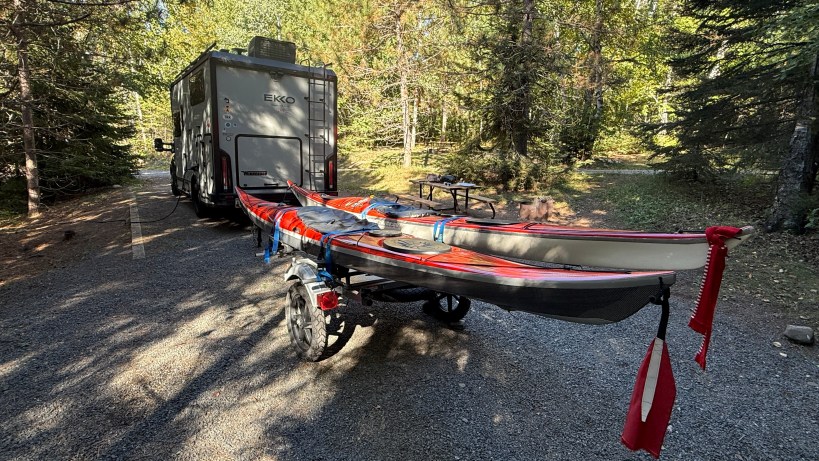
Mary and I spent 20 days this fall traveling clockwise around Lake Superior in our RV, which we call “Eddy.” Our route took us through Wisconsin, Minnesota, Ontario, and Michigan’s Upper Peninsula, with stops at several state, provincial, and national parks along the way. We brought two of our sea kayaks, hoping to get out on the water whenever conditions allowed. Hiking was also a priority, along with enjoying the scenery around the world’s largest freshwater lake. 
Wisconsin and Duluth
We left home on September 17 and spent our first night at Brunet Island State Park, a lovely forested park along Wisconsin’s Chippewa River.
The next day we headed north to Duluth and stopped for lunch at the Farmhouse Cafe and Bakery in Bloomer, Wisconsin. Besides the good food, we got a kick out of the vintage tables and chairs, which reminded us of the kitchen furniture we both grew up with.
In Duluth, we spent three days at the home of our daughter Jacey, her husband Tim, and our two Minnesota grandchildren. Jacey and Tim headed to Minneapolis on Saturday for an overnight getaway to attend a concert, leaving Mary and me in charge of the grandkids. We had a great time together. The kids enjoyed playing in Eddy, which apparently makes a pretty good playhouse.
Minnesota’s North Shore
The following Monday morning, we headed northeast from Duluth along Lake Superior’s North Shore.
Our first stop was Cascade River State Park for a short hike past a scenic series of waterfalls. Farther up the shore, we had lunch at the Blue Water Cafe in Grand Marais.
We also visited Grand Portage National Monument, an important location in the history of the North American fur trade. The site preserves the history of a trading post and the nine-mile portage that allowed voyageurs to bypass waterfalls and rapids on the Pigeon River.
Sleeping Giant Provincial Park — September 21–24
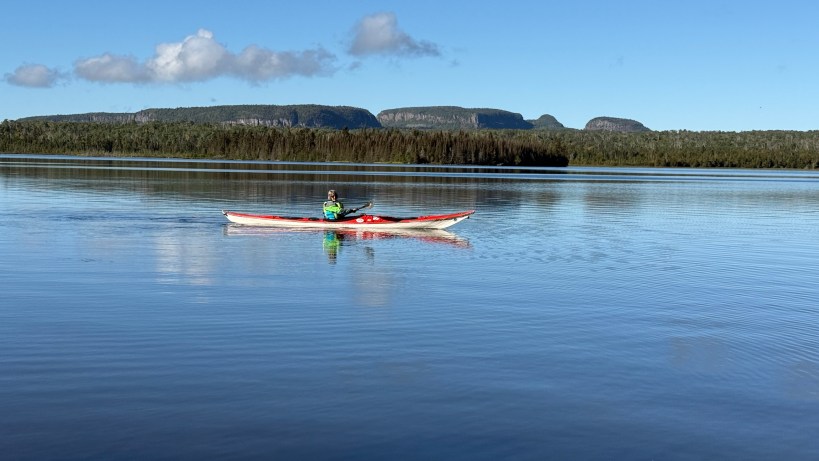
Our first Canadian camping destination was Sleeping Giant Provincial Park, near Thunder Bay, where we spent three nights. There we kayaked on Marie Louise Lake, a beautiful inland lake in the park.
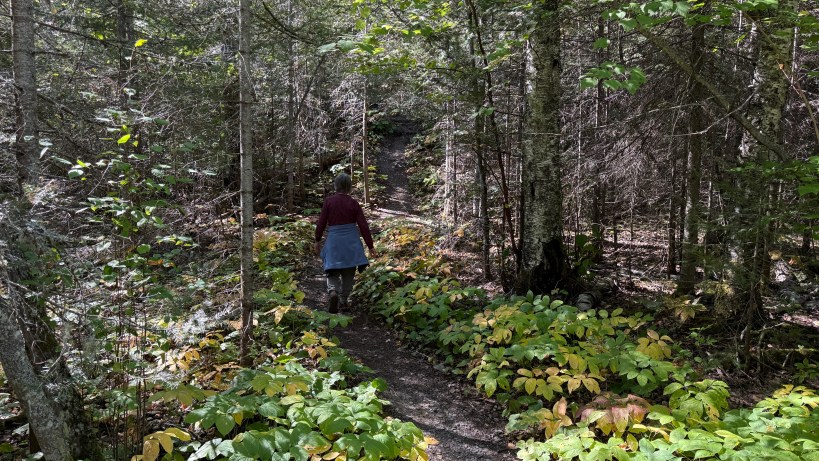
Our goal was to hike to the top of the “head” of the Sleeping Giant, following a combination of trails from our campsite. The route involved plenty of rugged uphill scrambling and turned out to be more challenging than expected. After hiking about six miles, we realized we were running out of time to reach the summit, so we turned around. We didn’t accomplish our original goal, but it was still a good hike.
Neys Provincial Park — September 24–27
We continued east along Lake Superior’s northern shore, stopping along the way at Aguasabon Gorge to view the impressive gorge and waterfall.
Neys Provincial Park was our home for the next three nights.
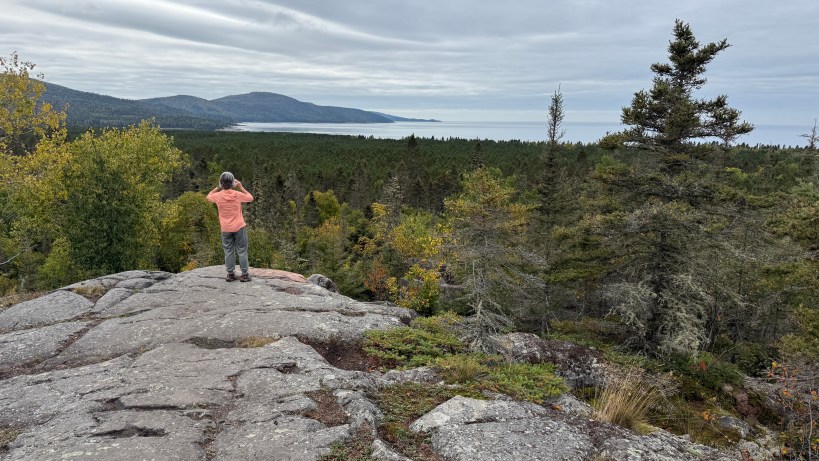
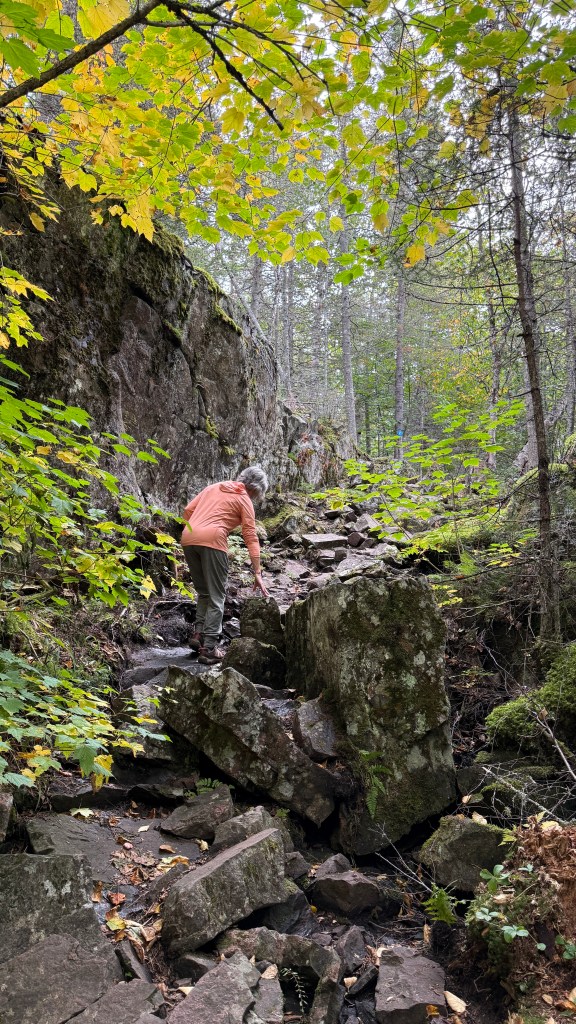
One of our more challenging hikes began on the Point Trail from the campground, continued along the Under the Volcano Trail, and then followed the Kopa Cove Trail up to a viewpoint overlooking Lake Superior. The final climb was steep, but the effort was rewarded with a stunning view of Pic Island. At least that’s what we told ourselves on the way back down.
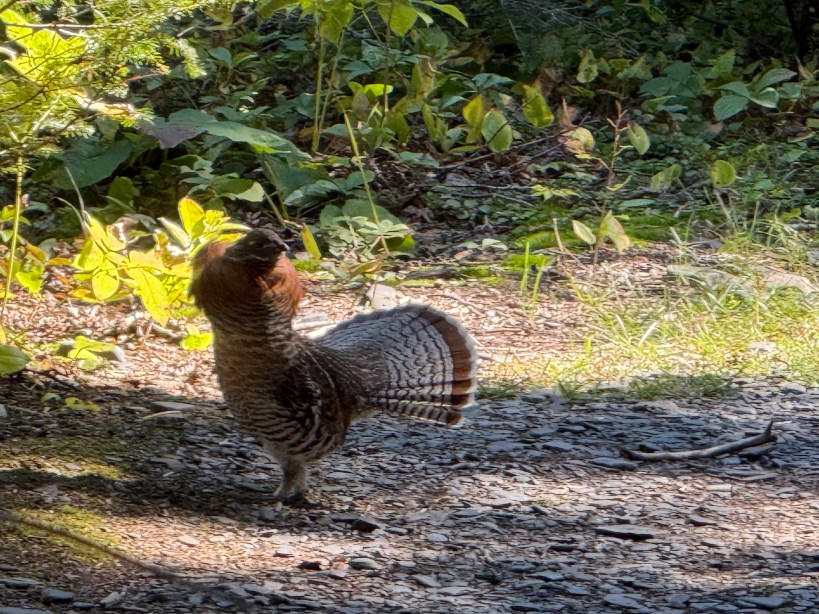
Several ruffed grouse made their presence known during our stay at Neys. Their eerie, deep, low-frequency drumming sound, produced by males rapidly beating their wings, sounded like a small engine starting up.
One practical note for anyone camping at Neys with an RV: bring an extra-long extension cord. Many of the electrical pedestals are located between widely spaced campsites, and a standard-length RV power cord may not reach.
Pukaskwa National Park — September 27–29
Pukaskwa (pronounced PUCK-ə-saw) National Park turned out to be our favorite camping destination of the trip.
The campground at Pukaskwa’s Hattie Cove operates on a first-come, first-served basis, so we couldn’t reserve a site ahead of time. I planned the trip so we would be only a short drive away on Sunday morning. Arriving around 11 a.m. as campers were checking out, we had no trouble finding a good site.
One thing we liked about Hattie Cove was how easy it was to get out on the water. On our first day, I carted my kayak the short distance from our campsite to the launch, paddled around the sheltered waters of Hattie Cove, and then ventured out along the Lake Superior shoreline.
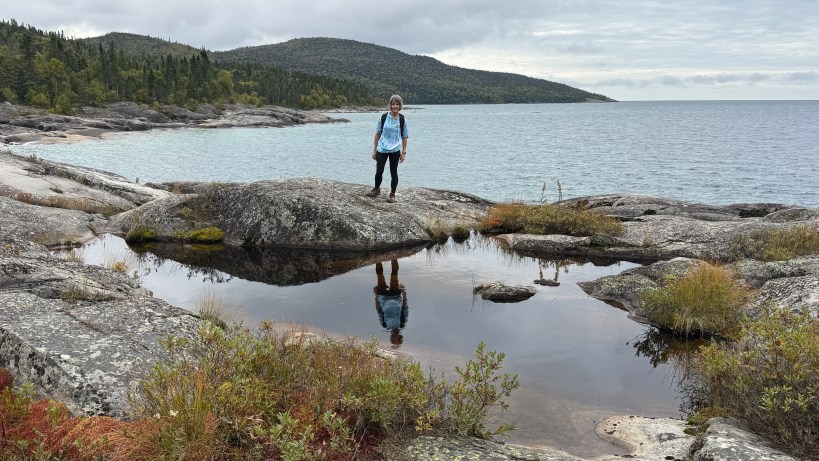
The following day, Mary and I hiked to nearby Playter Harbor. It was our favorite hike at Pukaskwa. We stopped for lunch at a beautiful spot overlooking the water before heading back.

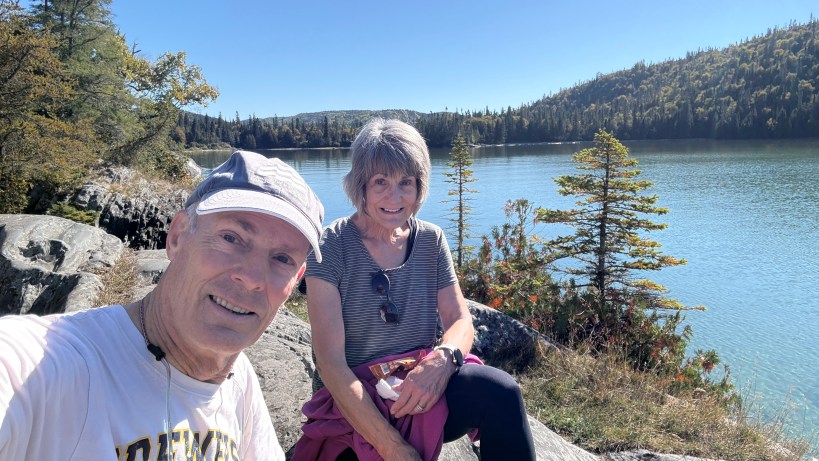
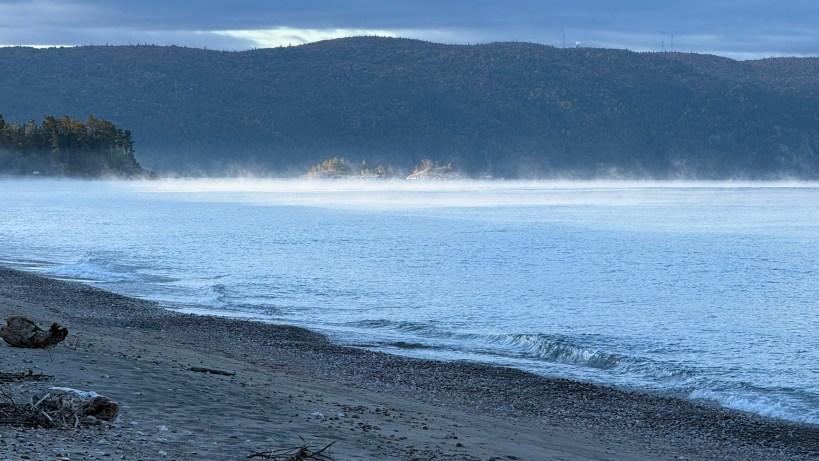
Later, we got out in our kayaks again, paddling along Lake Superior’s rugged shoreline. The combination of rocky headlands, forested shores, and clear water made this one of our favorite paddling outings of the trip.
Lake Superior Provincial Park — September 29–October 3
For the next four nights, we camped at Agawa Bay Campground in Lake Superior Provincial Park. Our friends from Ottawa, JP and Irene, joined us and camped next door.
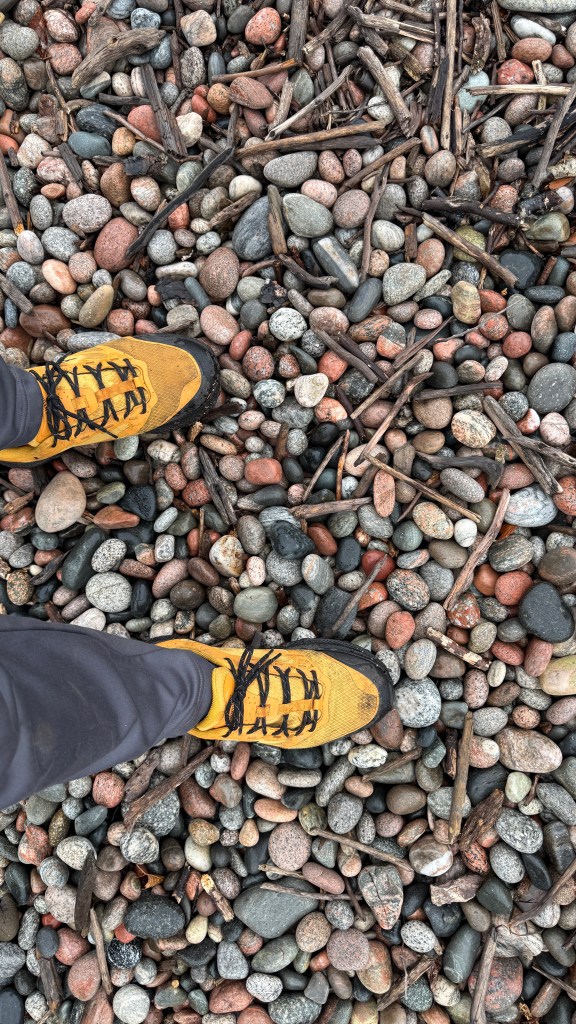
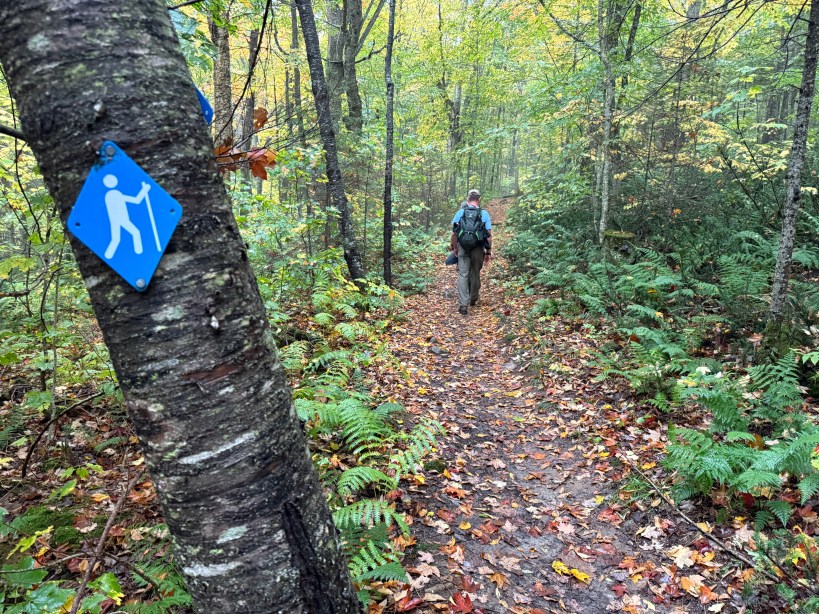
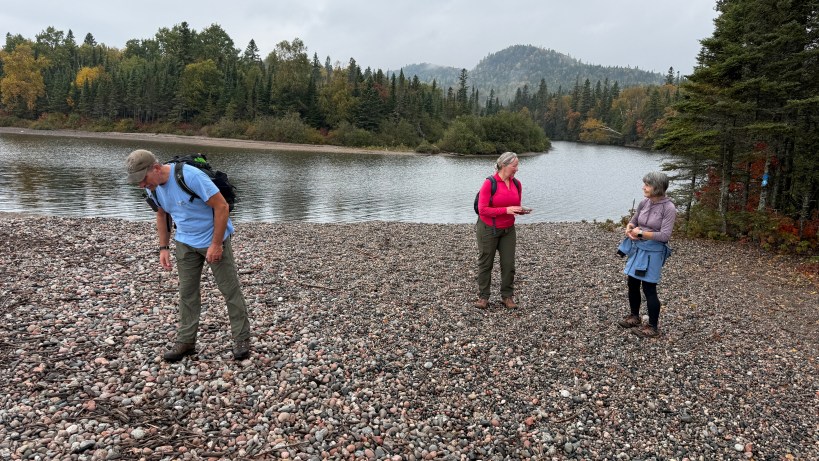
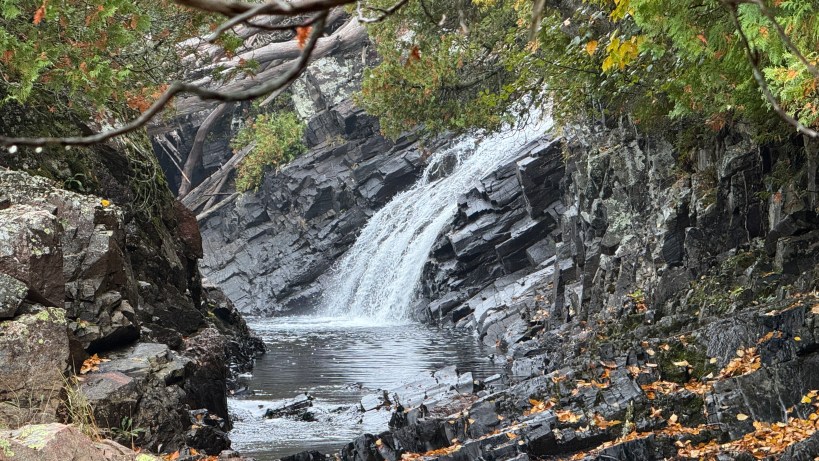
Our foursome hiked the entire Orphan Lake Trail loop, a beautiful route through the forest that also took us along Lake Superior’s rocky shoreline for part of the hike. The trail had some challenging climbs and descents, but the scenery made the effort worthwhile.
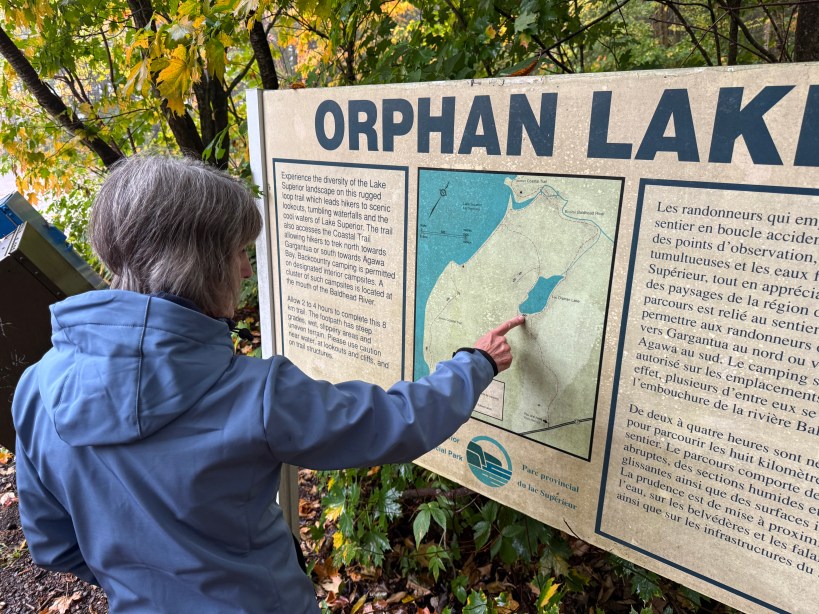
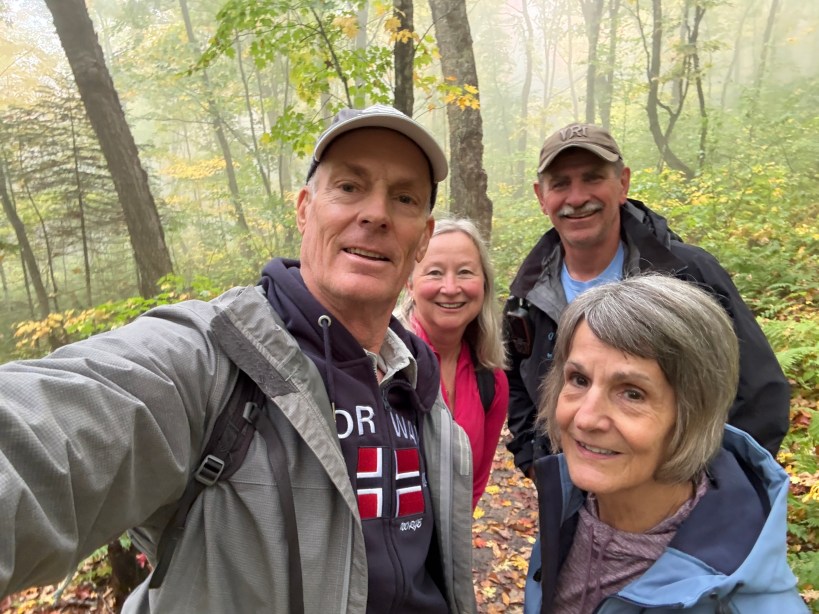
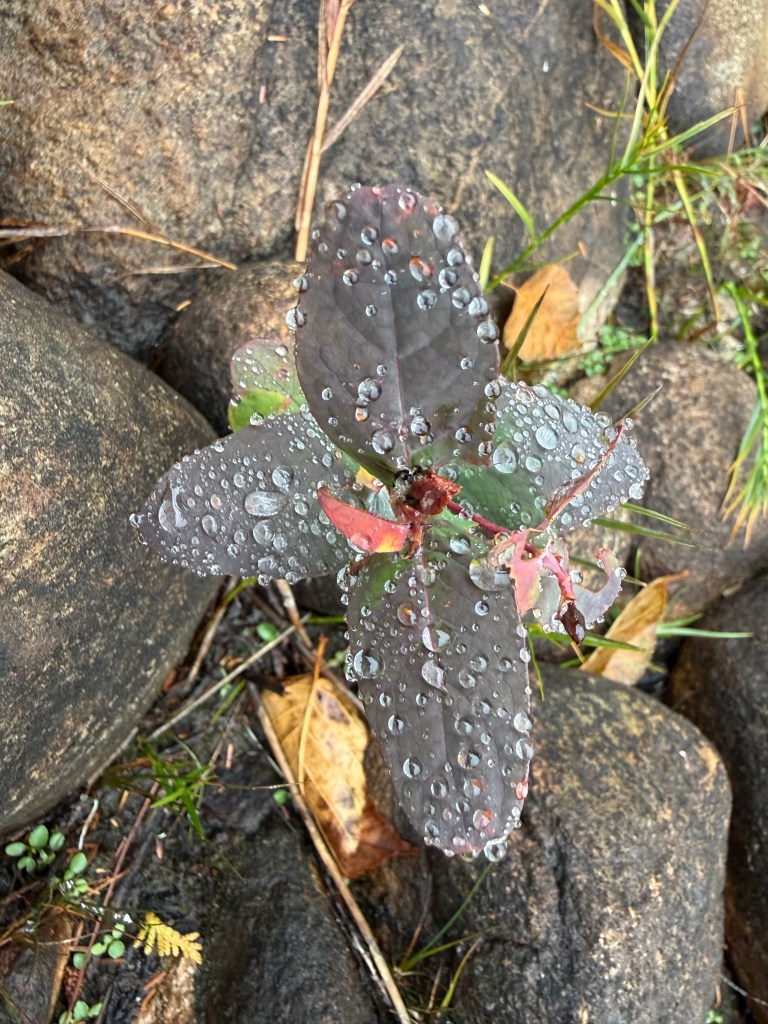
That evening, Irene and JP treated us to a homemade chili dinner. Campfires together each night were a nice way to end our days of hiking and exploring.
We had hoped to kayak together at Agawa Bay, but northwesterly winds kicked up waves in the bay. We decided to drive south to south-facing Batchawana Bay, where we might find protection from the wind and waves. JP offered to pull our kayak trailer behind his truck, saving us the trouble of breaking camp and driving Eddy to the launch.
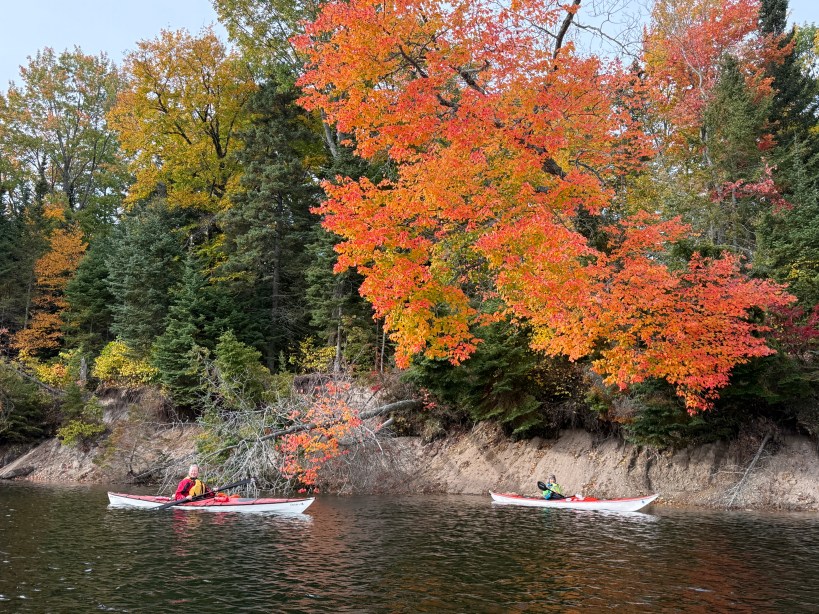
Our plan worked. The bay was relatively calm, as was the Batchawana River, and we enjoyed a nice paddle together.
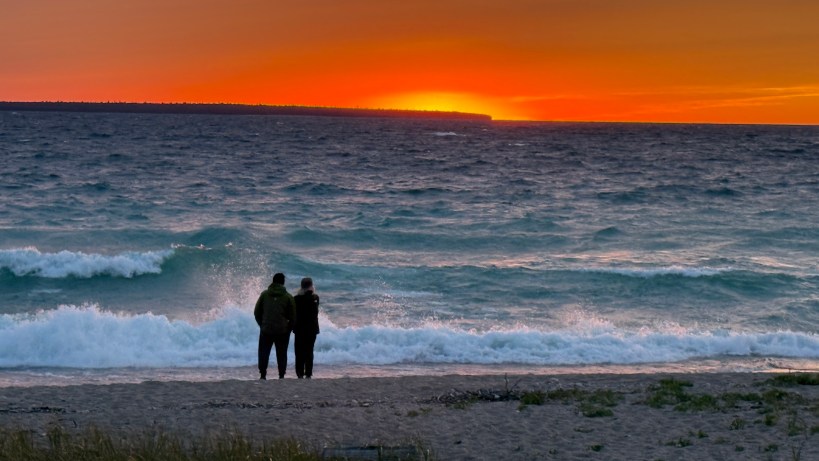
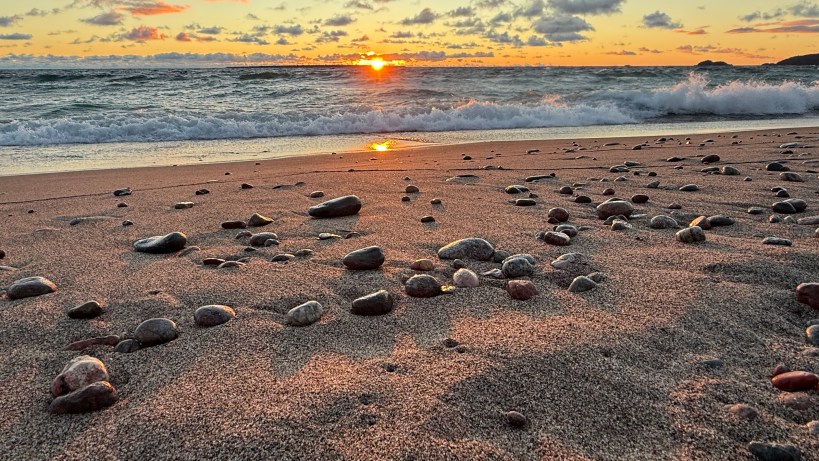
At the end of our final day at Agawa Bay, Mary made dinner for the four of us, followed by another evening around the campfire. It was fun to spend several days with friends who share our interest in paddling, hiking, and camping.
Back in Michigan — October 3–6
On Saturday, we said our good-byes to JP and Irene. Mary and I left Agawa Bay and headed south, crossing back into the United States at Sault Ste. Marie, Michigan.
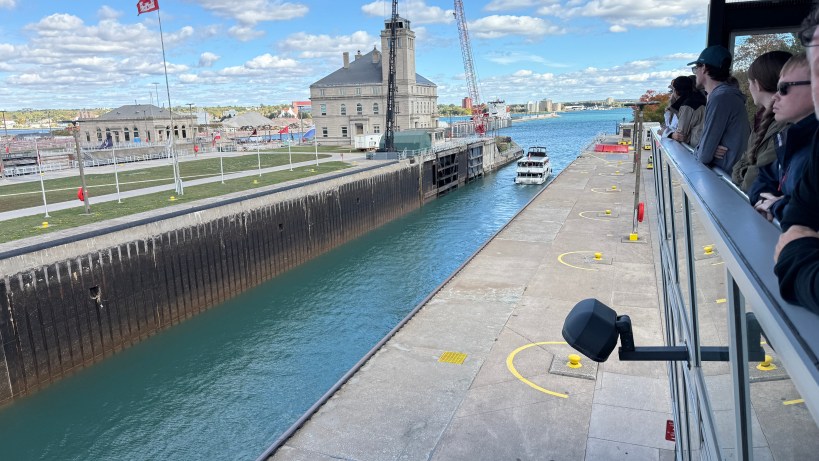
While Mary took care of laundry, I picked up takeout lunch from the Lockview Restaurant. (Yummy fish tacos!) We also toured the Soo Locks, where large freighters pass between Lake Superior and the lower Great Lakes.
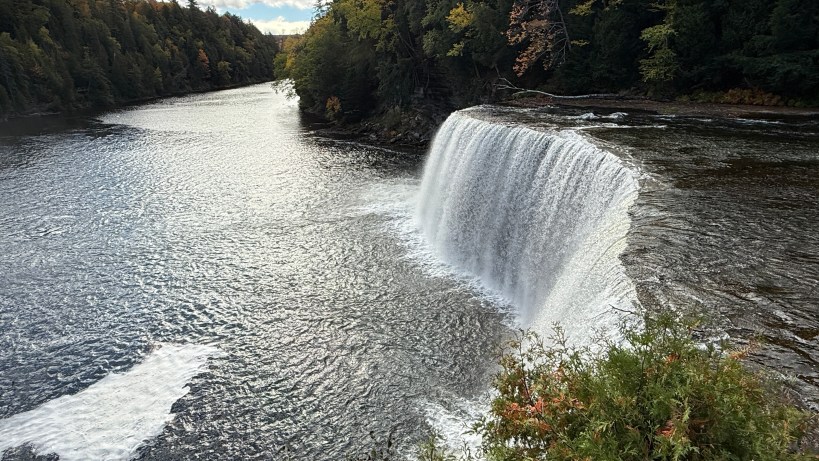
From there, we continued to the UP’s Tahquamenon Falls State Park for two nights. During our stay, we hiked a loop hike around both the Upper and Lower Falls.
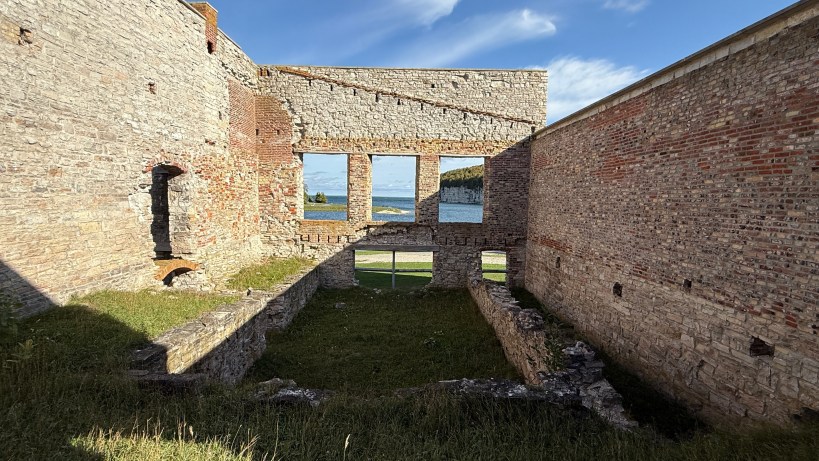
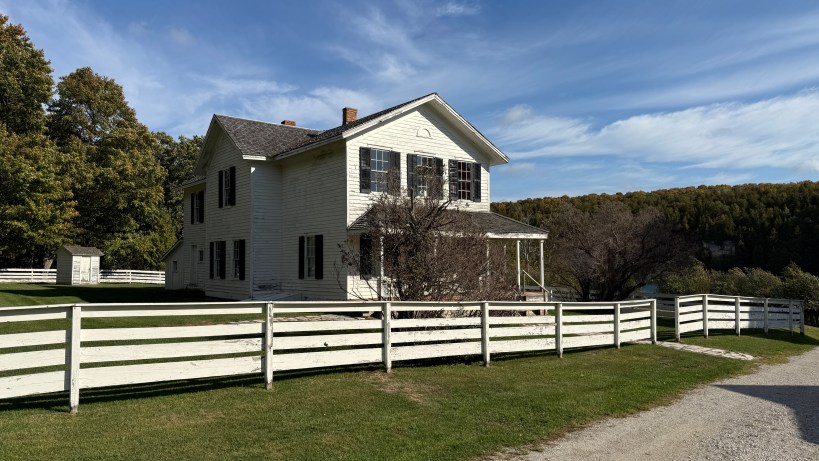
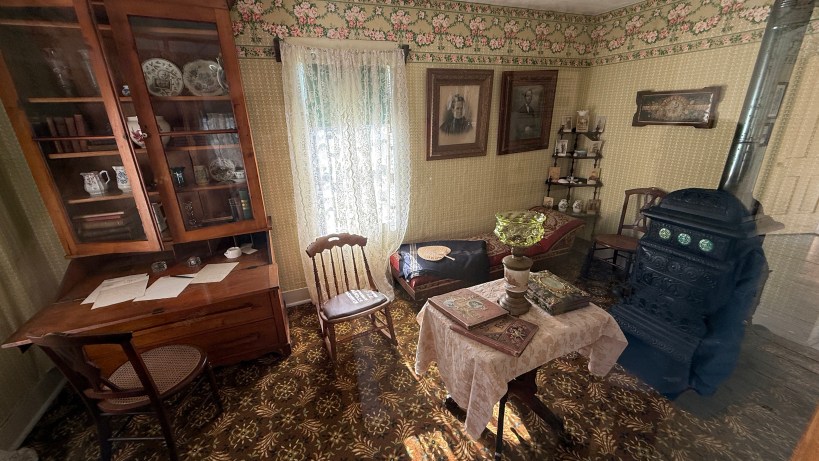
On October 5, we stopped at Fayette Historic State Park on Michigan’s Garden Peninsula. The abandoned site was once a thriving iron-smelting community, operating from 1867 to 1891. Today, the former company town is preserved as a historic site, with many of its original buildings still standing along the shores of Lake Michigan. We walked the grounds and went inside many of the buildings, getting a glimpse of life in this isolated industrial community more than a century ago.
Indian Lake State Park was our final camping stop. The next day, October 6, we headed home to Green Bay, completing our 20-day trip around Lake Superior.

Fall Colors Along the Way
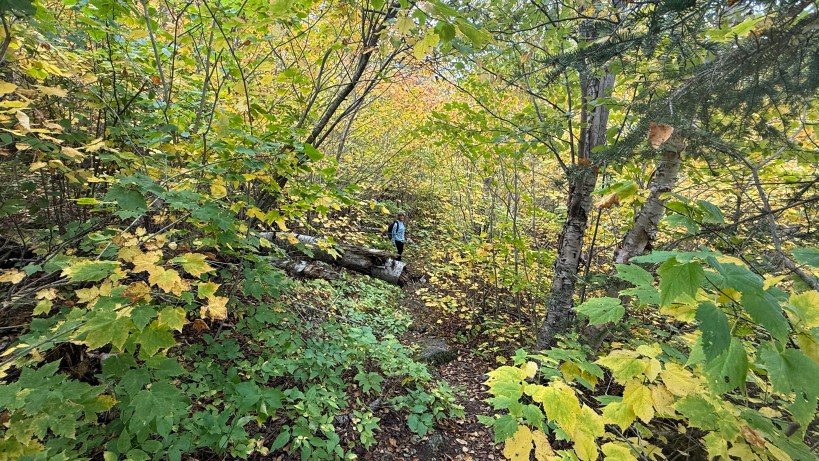
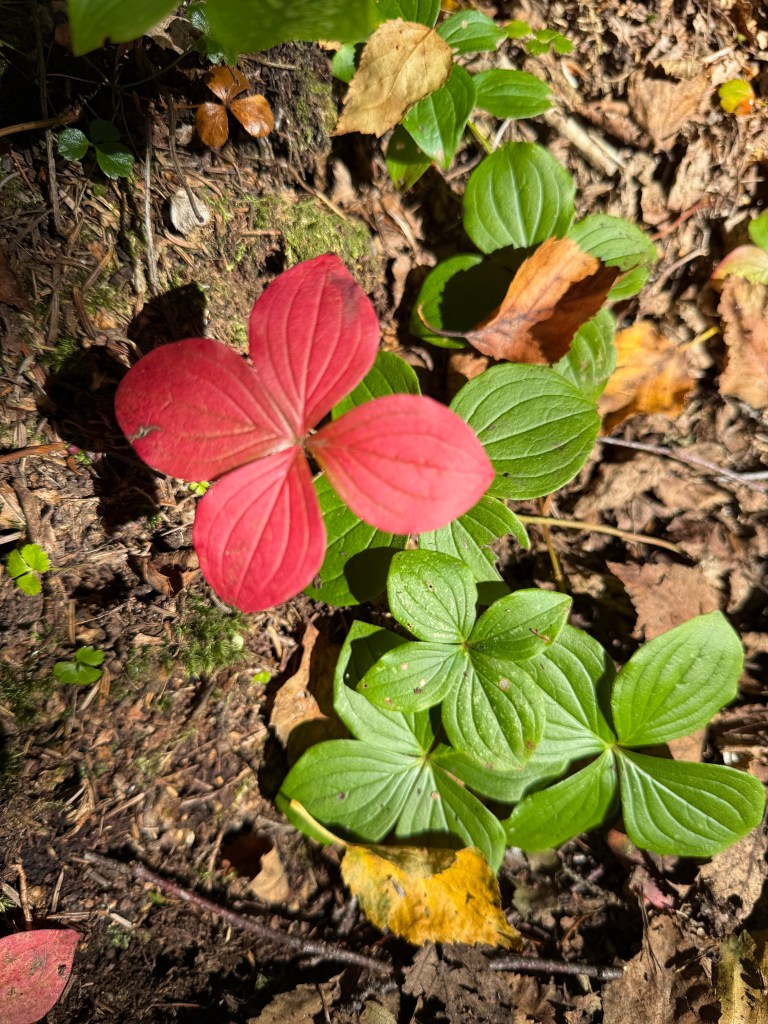
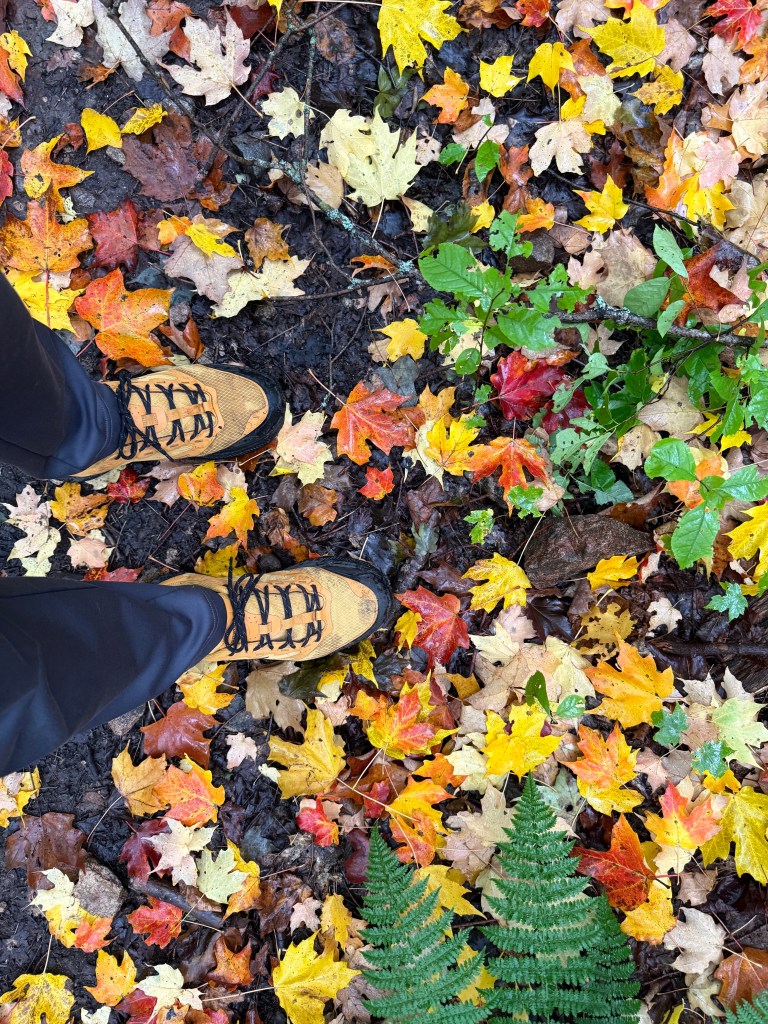
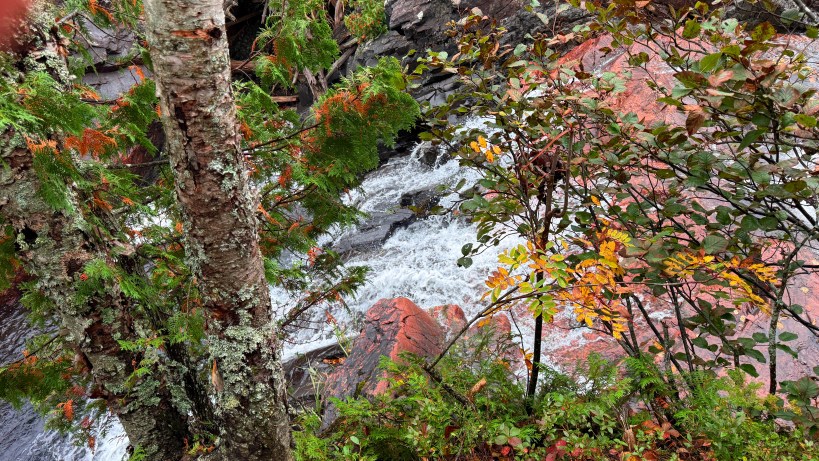
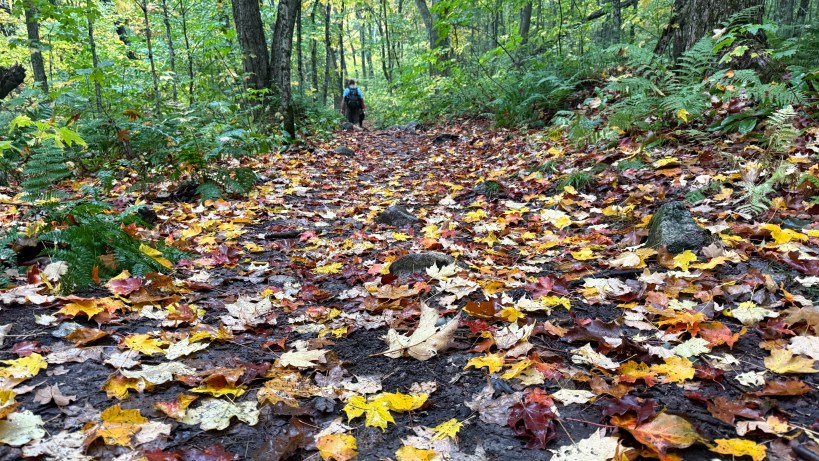
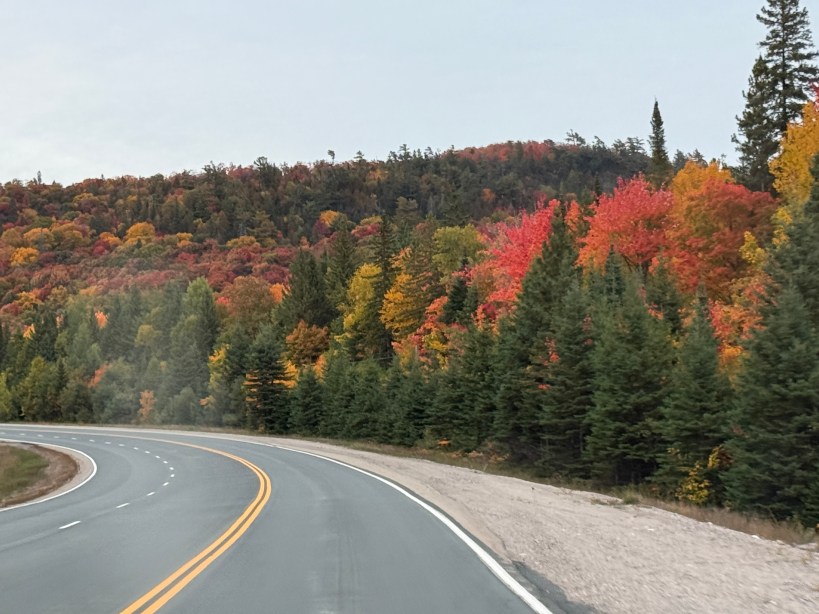
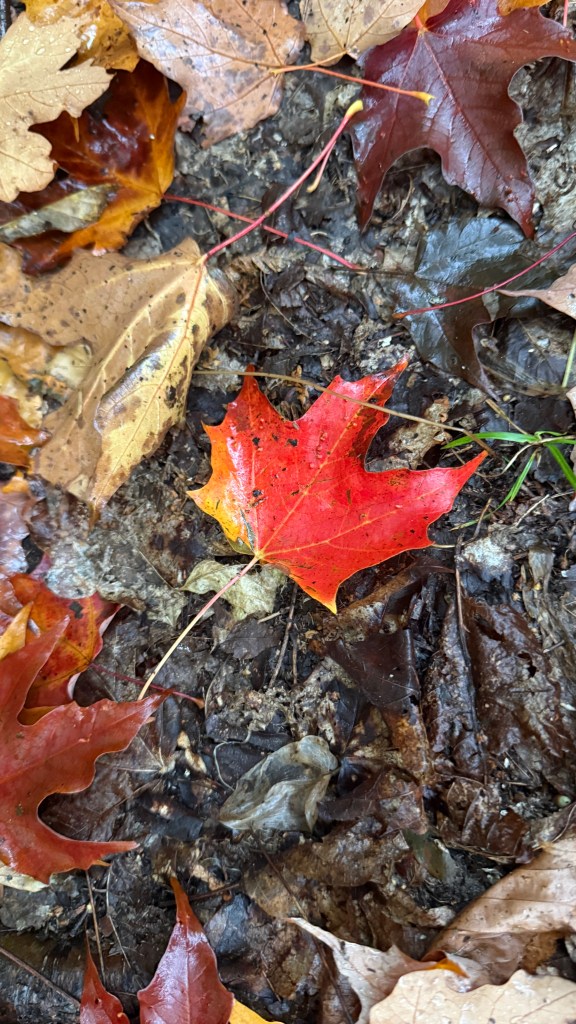
We enjoyed lots of sunshine and clear blue skies on most days — just the kind of weather we had hoped for. As the trip progressed, the fall colors became an added attraction, especially during the second half of our journey. As we traveled around Lake Superior, the colors became increasingly impressive.
In some areas, the trees were showing brilliant shades of red, orange, and yellow, adding to the scenery along the lakeshore and on our hikes. We couldn’t have picked a better time of year to make this trip.
Ontario’s Provincial Parks
I reserved our provincial park campsites several months before the trip, when there were still plenty of good sites available to choose from. For the kind of camping we enjoy, Ontario’s provincial parks are hard to beat. They offer excellent hiking and kayaking opportunities, along with scenic, well-spaced RV campsites. Each provincial park where we stayed had electrical hookups, and the camping fees were reasonable, especially compared with private RV campgrounds where sites are often packed closely together in what amounts to big parking lots.
Looking Back
Our Lake Superior Circle Tour gave us a good mix of time with family and friends, kayaking, hiking, and exploring places we hadn’t visited before. Pukaskwa National Park was probably our favorite camping destination, but each park had something to offer.
Twenty days gave us time to see a lot, but there’s still plenty more to explore around Lake Superior. And the good thing is, it’s all relatively close to home.
